
What Does Azelaic Acid Do To Your Skin?
Understanding Azelaic Acid
Azelaic acid, chemically known as 1,7-heptanedioic acid, is a white crystalline solid with a melting point of 110°C. It is sparingly soluble in water but dissolves well in glycerol and ethylene glycol. The solubility of azelaic acid is pH-dependent, and its monosodium and disodium salts have better solubility.
What Benefits Does Azelaic Acid Bring to the Skin?
Azelaic acid has strong antibacterial properties and can specifically target Propionibacterium acnes, the bacteria usually associated with acne. A study published in the Journal of the American Academy of Dermatology found that a 20% azelaic acid cream significantly improved acne symptoms in participants. Another review in the Journal of Dermatological Treatment in 2023 also emphasized its role in acne treatment.
- Improving Pigmentation and Brightening Skin Tone
One of the key benefits of azelaic acid is its ability to fade dark spots and even out skin tone. It inhibits tyrosinase, an enzyme that plays a crucial role in the production of melanin, which is responsible for skin color.
- Anti-Inflammatory Properties
Azelaic acid has strong anti-inflammatory effects, which is beneficial for people with sensitive or inflamed skin. It helps reduce redness and inflammation associated with conditions like rosacea. A study in the Journal of Dermatological Treatment in 2023 explored how azelaic acid inhibits the production of reactive oxygen species in the skin, thereby soothing the skin and promoting a healthier and more balanced complexion.
- Improving Skin Texture and Complexion
In addition to treating specific skin problems, azelaic acid can also improve the overall skin texture and complexion. Its mild exfoliating properties help remove dead skin cells, revealing smoother and more radiant skin. With long-term regular use of azelaic acid, the appearance of fine lines, wrinkles, and rough patches can be reduced, making the skin look younger and more vibrant.
Application of Azelaic Acid in Cosmetics
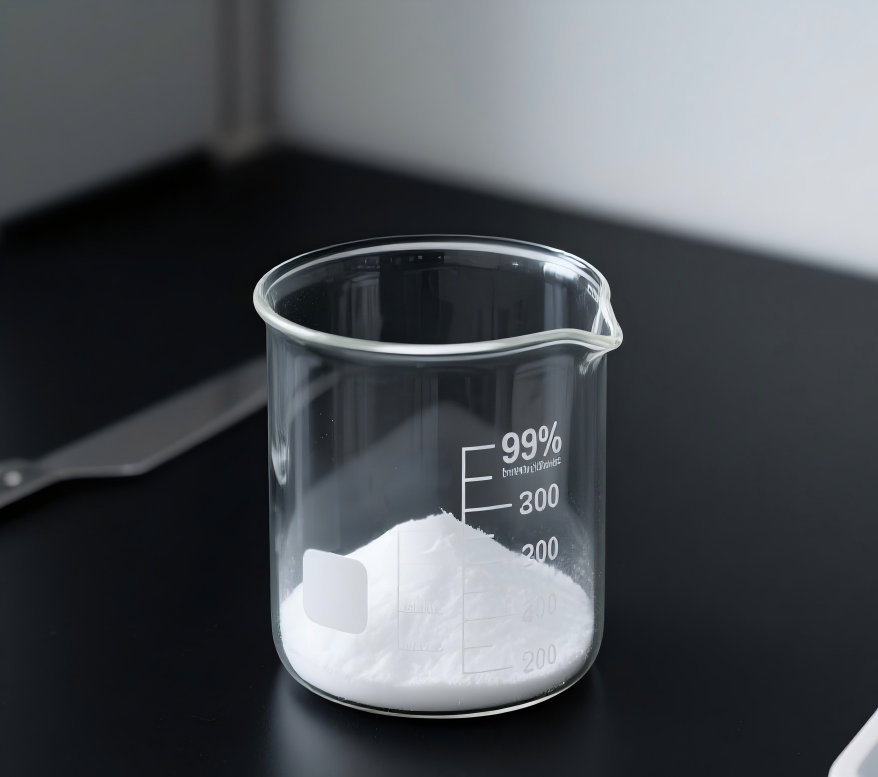
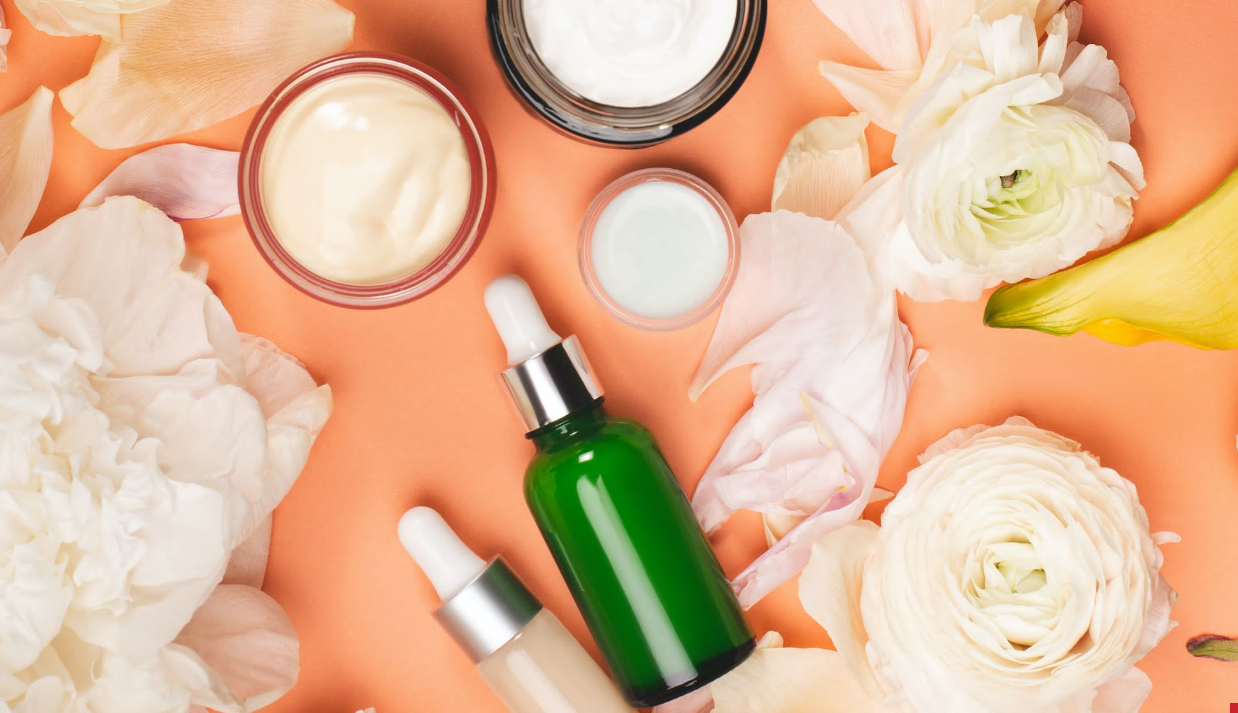
Azelaic acid with 99% purity is widely used in cosmetics due to its high purity, suitable for various skin types and needs, and plays a unique role in products of different formulations.
Creams containing 10-15% azelaic acid have a rich texture. In addition to a certain proportion of azelaic acid, they usually contain moisturizing ingredients such as Ceramides and squalane, making them suitable for dry or combination skin. While providing sufficient moisture and nutrients to the skin, they can continuously exert the effects of azelaic acid in improving acne and fading spots, especially suitable for use in autumn and winter to avoid skin problems worsening due to dryness.
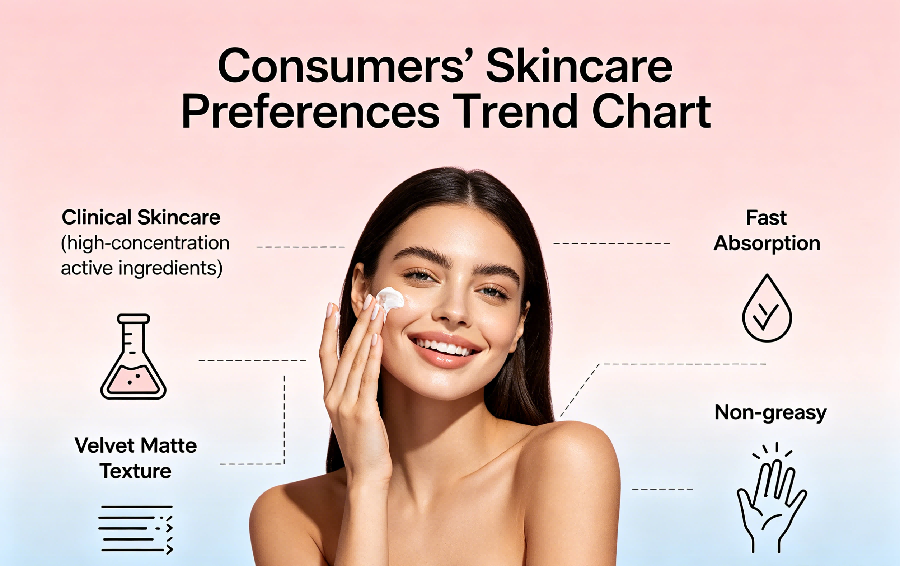
Gels containing 5-10% azelaic acid, with water and alcohol as the main bases, have a refreshing and non-greasy texture. They can be quickly absorbed by the skin after application, making them very suitable for oily and acne-prone skin. Such gels are usually combined with oil-control ingredients such as zinc PCA and niacinamide. While exerting the antibacterial and anti-inflammatory effects of azelaic acid, they help regulate skin oil secretion, reduce pore blockage, and keep the skin in a fresh state.
Serums with a concentration of up to 20% are powerful products targeting stubborn skin problems. Their formula is simple, with a high content of azelaic acid, which can act intensively on the deep layers of the skin, and have significant effects on severe acne, large-area pigmentation and other problems.
Lotions (containing 8-12% azelaic acid) have a texture between cream and gel, with good fluidity, and a perfect balance between moisture and freshness, which can provide appropriate moisture for normal to combination skin.
The application of azelaic acid in masks is also common. Such masks are generally in paste or gel form, containing about 20% azelaic acid, and are also combined with ingredients such as fruit acids and salicylic acid. Through short-term application, they can provide a concentrated deep cleaning and repair for the skin.
Its high purity ensures stability, reduces irritation, and enables precise concentration control, making it suitable even for sensitive skin. It can be well matched with other ingredients such as hyaluronic acid and vitamin C, enhancing the versatility of the product.
Usage Methods and Precautions for Azelaic Acid
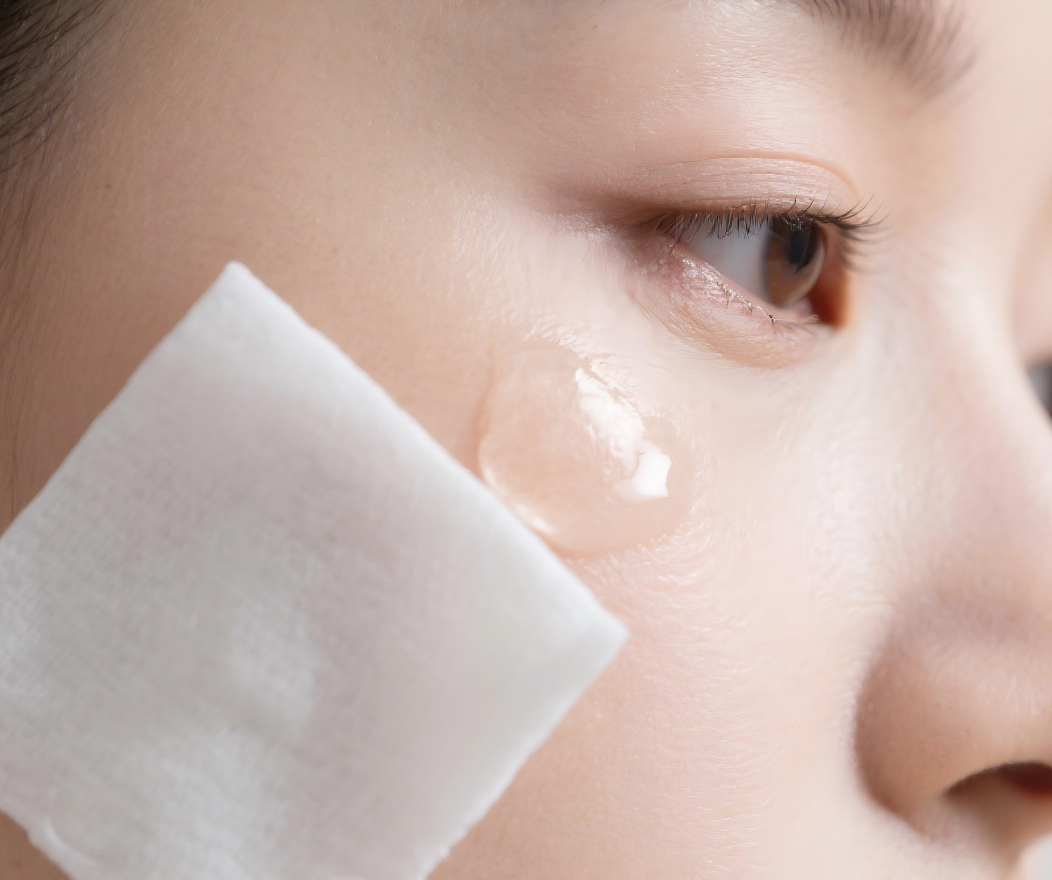
Usage Methods
For the first use, it is recommended to start with a low concentration (such as 5%-10%) and use it 2-3 times a week to allow the skin to gradually build tolerance. Later, the frequency and concentration can be slowly increased according to the skin's adaptation.
The usage steps of different formulations are slightly different: after cleansing and toning, essence and gel can be directly taken in an appropriate amount and applied to the face; creams and lotions are used after essence to lock in moisture; masks are applied according to the product instructions, usually washed off after 15-20 minutes; spot-on products are directly applied to acne or spots.
It is usually recommended to use azelaic acid in the evening, because some people may be more sensitive to ultraviolet rays, and the skin's repair ability is stronger at night, which can better exert its efficacy. If used during the day, strict sun protection measures must be taken.
Precautions
Although azelaic acid is relatively mild, a few people may still experience mild irritation symptoms such as redness, stinging, and peeling. If obvious discomfort occurs, stop using it immediately and observe the skin condition. If the symptoms persist, it is recommended to consult a dermatologist.
Avoid using it with high-concentration acidic ingredients (such as high-concentration salicylic acid and fruit acid) at the same time to avoid aggravating skin irritation. If you need to use them together, you need to interval for a period of time or do so under the guidance of a doctor.
Pregnant women and lactating women are advised to consult a doctor before using it to ensure safety.
When storing, it should be protected from light, sealed, and placed in a cool and dry place to prevent ingredient deterioration from affecting the effect.
Conclusion
Azelaic acid with 99% purity is a powerful and versatile ingredient that can bring many benefits to the skin. From treating acne and improving pigmentation to reducing inflammation and improving skin texture, azelaic acid has proven to be an effective additive in any skincare routine. With its natural source and high purity, it is a safe and reliable choice for those pursuing healthier and more radiant skin. Whether you have specific skin problems or just want to improve the overall health of your skin, you can consider incorporating products containing azelaic acid into your skincare routine.
- Name: Yuik
- E-mail: sales02@nahanutri.com
- WhatsApp:+8618066950297